
What does GSM mean in fabric?
GSM (grams per square metre) is the standard way factories and fabric mills describe how heavy a fabric is. Take a piece of fabric exactly one metre by one metre, weigh it, and the number of grams is its GSM. You will also see it written as g/m².
Weight is a quick guide to how a garment will feel and behave. Light fabrics drape softly, breathe well and dry fast. Heavy fabrics feel more substantial, are less see-through, hold their shape and keep you warmer. GSM does not tell you everything about a fabric, but it is the one number that appears on every fabric spec and tech pack.
GSM vs oz: how to convert
In the US, fabric weight is often quoted in ounces per square yard (oz/yd²). The conversion is simple:
- oz to GSM: multiply by 33.9
- GSM to oz: divide by 33.9
| Ounces (oz/yd²) | Approx. GSM | Feels like |
|---|---|---|
| 4 oz | 136 | Light jersey or performance tee |
| 5 oz | 170 | Standard cotton t-shirt |
| 6 oz | 203 | Heavier, more premium tee |
| 8 oz | 271 | Heavyweight tee or light sweatshirt |
| 10 oz | 340 | Midweight fleece hoodie |
| 12 oz | 407 | Heavyweight streetwear hoodie |
Typical GSM by garment type
These are common industry ranges. Your exact choice depends on climate, fibre and the look you want.
| Garment | Typical GSM | Notes |
|---|---|---|
| Sublimated team jerseys (soccer, rugby, netball) | 130–200 | Polyester; lighter for hot weather, heavier for contact sports |
| Mesh panels and training bibs | 100–160 | Open structure for airflow |
| Performance gym tees and tanks | 120–180 | Polyester or poly-spandex knits |
| Everyday cotton t-shirts | 160–200 | Single jersey knit |
| Heavyweight streetwear tees | 220–300 | Boxy fits; less see-through |
| Leggings and sports bras | 220–320 | Higher GSM means more support and less show-through |
| Sweatshirts and hoodies | 280–450+ | French terry at the lower end, brushed fleece higher |
| Joggers and tracksuit bottoms | 260–380 | Usually match the top of the set |
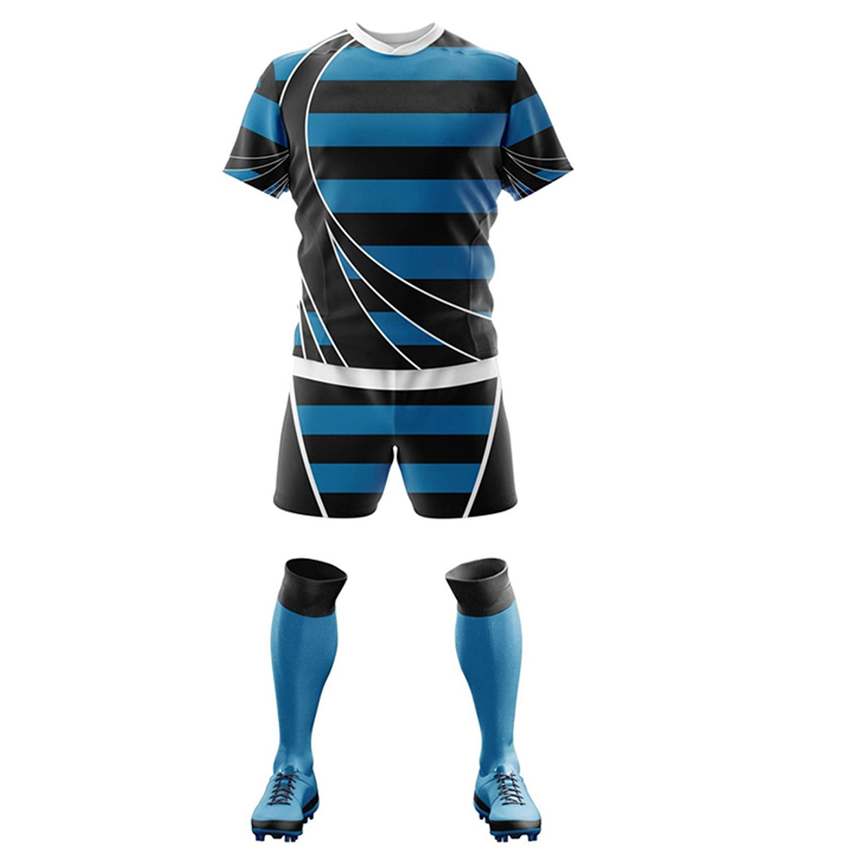
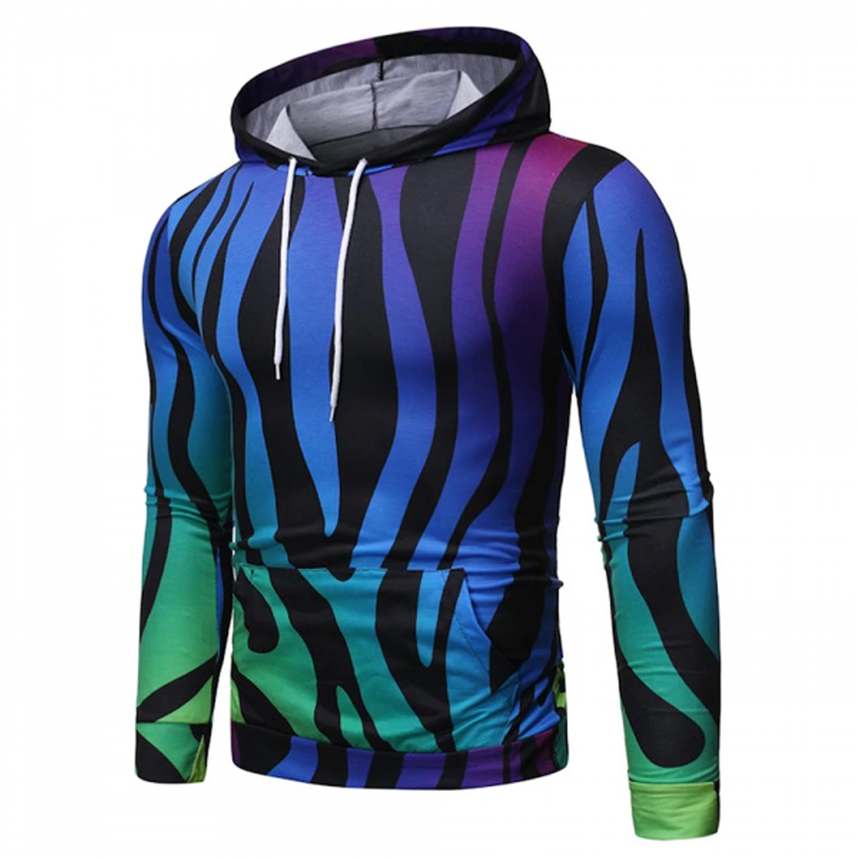
Two examples from our own catalogue: our rugby uniforms and netball uniforms use 100% polyester at 145 or 190 GSM, and our fitness hoodies use a cotton-polyester fleece at 10 oz (340 GSM). Custom weights can be arranged.
Does higher GSM mean better quality?
Not on its own. Higher GSM usually means a fabric that is thicker, more opaque and more durable, which is why heavyweight tees and hoodies feel “premium”. But for sportswear, heavier is often worse: a 250 GSM football shirt would feel hot and hold sweat.
Quality also depends on:
- Fibre. Combed or ring-spun cotton feels smoother than standard cotton at the same weight. Polyester, nylon and spandex each behave differently. See our guide to polyester vs spandex.
- Knit or weave. Jersey, interlock, piqué, mesh and fleece at the same GSM look and stretch very differently. For open knits, read our guide to types of mesh fabric.
- Finishing. Brushing, moisture-wicking treatments and pre-shrinking change the hand feel and how the garment holds up.
The right GSM is the one that suits the garment's job. For hoodies specifically, our guide to the best fabric for hoodies breaks down fleece and French terry weights in more detail.
How GSM is measured
Mills and factories use a GSM cutter, a round blade that cuts a sample of exactly 100 cm². The sample is weighed on a precision scale and the result in grams is multiplied by 100 to give GSM. So a 1.8 g sample is a 180 GSM fabric.
Fabric weight always varies a little across a roll and after washing or dyeing. A tolerance of around ±5% is common, so it is worth agreeing the target GSM and acceptable range before production.
How to specify GSM to a manufacturer
- State the finished fabric weight. Write GSM, fibre content and fabric type together, for example “180 GSM 100% polyester interlock” or “340 GSM 80/20 cotton-poly brushed fleece”.
- Put it in your tech pack. The bill of materials should list GSM for the main body fabric and for rib, lining or mesh panels. Our tech pack guide shows where it goes.
- Ask for swatches or a sample. Numbers on paper feel different in the hand. At KITFORGE we make a pre-production sample before bulk, and sampling typically takes 7–10 days.
- Match weight to the decoration. Sublimation needs polyester; heavy cotton suits screen printing and embroidery. See DTF vs screen printing if you are choosing a print method.
- Remember the shipping weight. Heavier fabric means heavier cartons, which matters for courier costs on DHL, FedEx or UPS.
Not sure which GSM to choose?
Tell us the garment and how it will be used, and we will suggest a fabric and weight. Browse custom t-shirts, custom hoodies, soccer uniforms, leggings or our full streetwear range. MOQ is typically 10–30 pieces per style and we reply within 24 hours.
Frequently asked questions
What does GSM mean in fabric?
GSM stands for grams per square metre. It is the weight of one square metre of fabric in grams, and it tells you how light or heavy, thin or thick a fabric is.
Is higher GSM better quality?
Not always. Higher GSM means heavier and usually more opaque fabric, which suits hoodies and premium tees. For sports jerseys and training wear, a lower GSM is often better because it is lighter and more breathable. Fibre, knit and finishing matter as much as weight.
How do you convert oz to GSM?
Multiply ounces per square yard by about 33.9. For example, 6 oz is about 203 GSM and 10 oz is about 340 GSM. To go the other way, divide GSM by 33.9.
What GSM is a good t-shirt?
Most everyday cotton t-shirts are 160 to 200 GSM. Lightweight summer or promo tees are around 120 to 150 GSM, and heavyweight streetwear tees are often 220 to 300 GSM.
Ordering a small first run? Read how to work with a low MOQ clothing manufacturer.