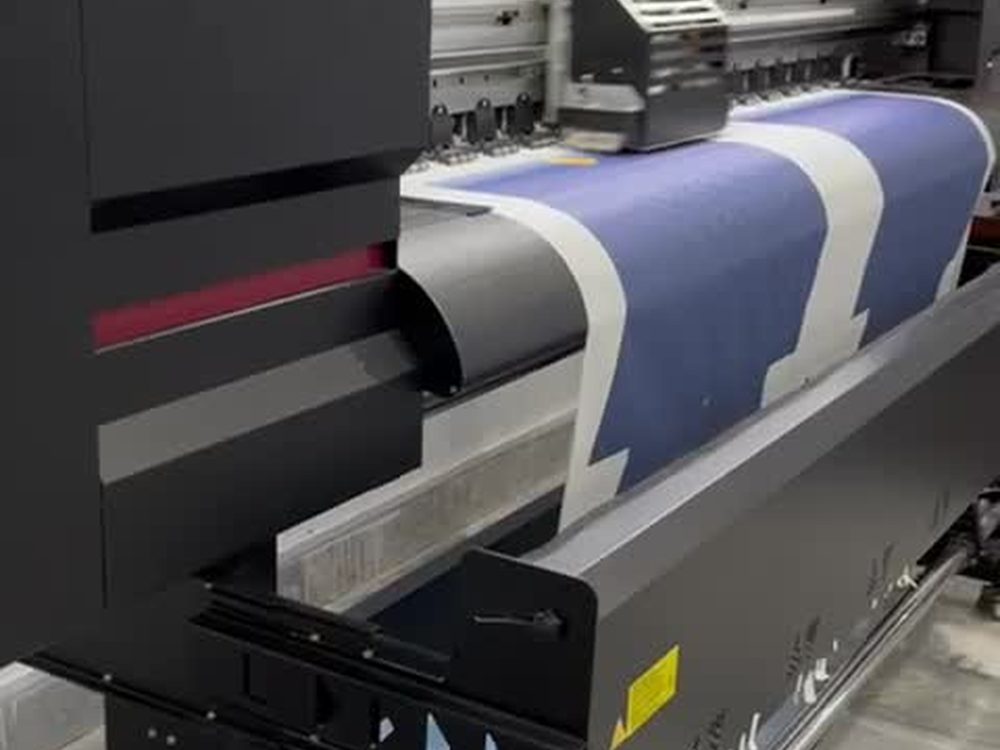
What polyester and spandex are
Polyester is a synthetic fibre made from polyester polymer (usually PET, the same family of plastic used in drinks bottles). It is spun into yarn and then knitted or woven into fabric. It is the most widely used fibre in sportswear because it is strong, keeps its shape, dries fast and takes colour well.
Spandex is a polyurethane-based elastic fibre that can stretch to several times its length and return to shape. Outside North America it is usually called elastane, and Lycra is a well-known brand name for it. If you are confused by the labels, our guide to elastane vs spandex explains why they are the same fibre.
The key point: polyester is usually the main fibre in a fabric, while spandex is almost always a minor one. You rarely see a garment made of 100% spandex.
Polyester vs spandex side by side
| Property | Polyester | Spandex (elastane) |
|---|---|---|
| Main job in a fabric | Body, strength, shape | Stretch and recovery |
| Stretch | Low (some from the knit) | Very high, springs back |
| Moisture | Absorbs very little, dries fast | Absorbs very little |
| Durability | High, resists abrasion and shrinking | Weakens with heat, chlorine and age |
| Heat tolerance | Good | Poor; avoid hot dryers and irons |
| Printing | Ideal for sublimation | Used in blends; prints through the base fibre |
| Typical share of a fabric | 60–100% | 2–25% |
| Cost | Low | Higher per kilo |
On breathability, neither fibre breathes like cotton. Polyester sportswear feels cool because it pulls sweat away from the skin and lets it evaporate, especially in mesh or moisture-wicking knits. Adding more spandex makes a fabric denser and warmer.
Why most activewear blends both
A polyester and spandex blend gives you the best of each: polyester for durability, quick drying and colour, and spandex so the garment moves with the body and holds its shape after stretching. Without spandex, tight garments bag at the knees and seat. Without polyester (or nylon), the fabric would be weak and expensive.
Nylon is the other common base fibre for stretch fabrics. Nylon and spandex feels softer and smoother, while polyester and spandex is generally more colourfast and is the better choice when you want all-over sublimation prints.
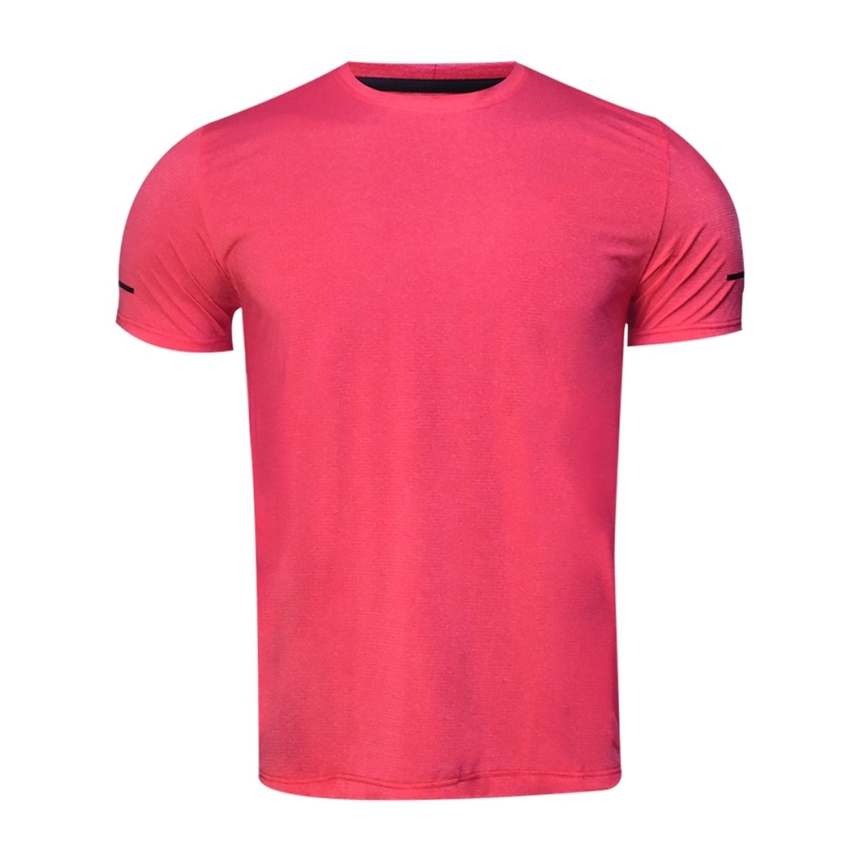
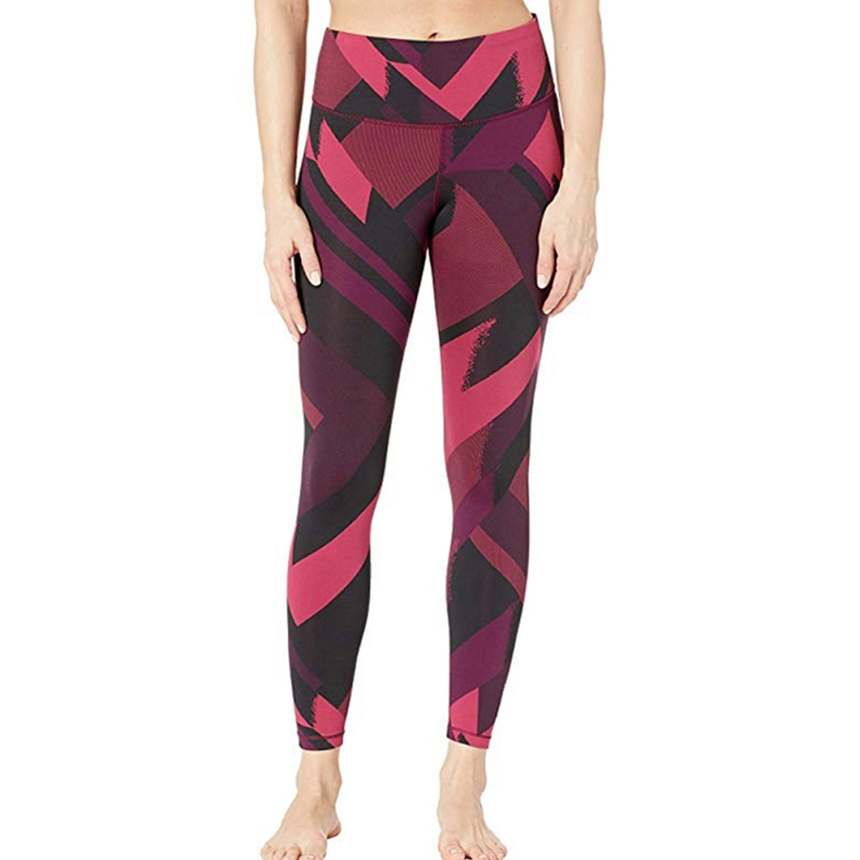
Which fabric for which garment
- Gym and training t-shirts: 100% polyester or 90–95% polyester with 5–10% spandex for a slimmer fit. See our custom gym t-shirts.
- Leggings: around 75–85% polyester or nylon with 15–25% spandex for hold and squat-proof coverage. See custom leggings.
- Sports bras: high spandex content (often 20% or more) for support. See custom sports bras.
- Compression wear: high spandex for firm pressure on the muscles. More in our guide to what compression shirts are.
- Team jerseys and uniforms: usually 100% polyester, often with mesh panels, because it sublimates cleanly and survives hard washing. Read what sublimated uniforms are.
- Shorts: polyester for loose gym shorts, a spandex blend for fitted or compression shorts.
Care tips for polyester and spandex
- Wash cold or warm, inside out, and avoid fabric softener, which can block moisture-wicking.
- Air dry or tumble dry low. High heat is the main thing that breaks down spandex.
- Rinse swimwear and kit after chlorinated water; chlorine also weakens spandex.
- Do not iron printed areas; polyester can glaze or shine under a hot iron.
Seeing small bobbles on the thighs? Read why leggings pill and how to prevent it.
Choosing fabric for your own range
If you are producing activewear rather than buying it, put the exact fibre content and fabric weight (GSM) in your tech pack, and decide on the stretch level before sampling. Small changes in spandex percentage change the fit, so the size spec should be checked on the fabric you will use in bulk.
At KITFORGE we make activewear, team uniforms and streetwear under OEM, ODM or private label, with sublimation, cut & sew, embroidery and screen or DTF printing, in sizes 4XS–5XL. You get a pre-production sample before bulk, usually in 7–10 days, so you can test stretch, feel and fit. Minimum order is typically 10–30 pieces per style, so you can trial two fabric blends without a big commitment.
Get activewear made in the right fabric
Browse our fitness wear range. Tell us the garment and fabric blend you want, and we reply within 24 hours with pricing and sampling details.
Frequently asked questions
Is polyester or spandex better?
Neither is better on its own because they do different jobs. Polyester is strong, light and quick-drying, so it forms the body of most sportswear. Spandex adds stretch and recovery. For tight-fitting activewear a polyester and spandex blend is usually best; for loose tees and team kits, 100% polyester is often enough.
Does polyester stretch?
Plain woven polyester barely stretches. Knitted polyester has some mechanical stretch from the knit loops, but it does not spring back the way spandex does. That is why spandex is added to leggings, sports bras and compression wear.
Is spandex the same as polyester?
No. Polyester is a polyester-based synthetic fibre used for the main body of a fabric. Spandex, also called elastane or Lycra, is a polyurethane-based elastic fibre that can stretch several times its length. Most fabrics use only a small share of spandex blended with polyester or nylon.
What is a good polyester spandex ratio for leggings?
Many leggings use around 75-85% polyester or nylon with 15-25% spandex. Higher spandex gives more compression and hold; lower spandex feels lighter and less tight. Always confirm the ratio on a sample before bulk.
Starting a fitness label? Read our guide to working with a private label activewear manufacturer.