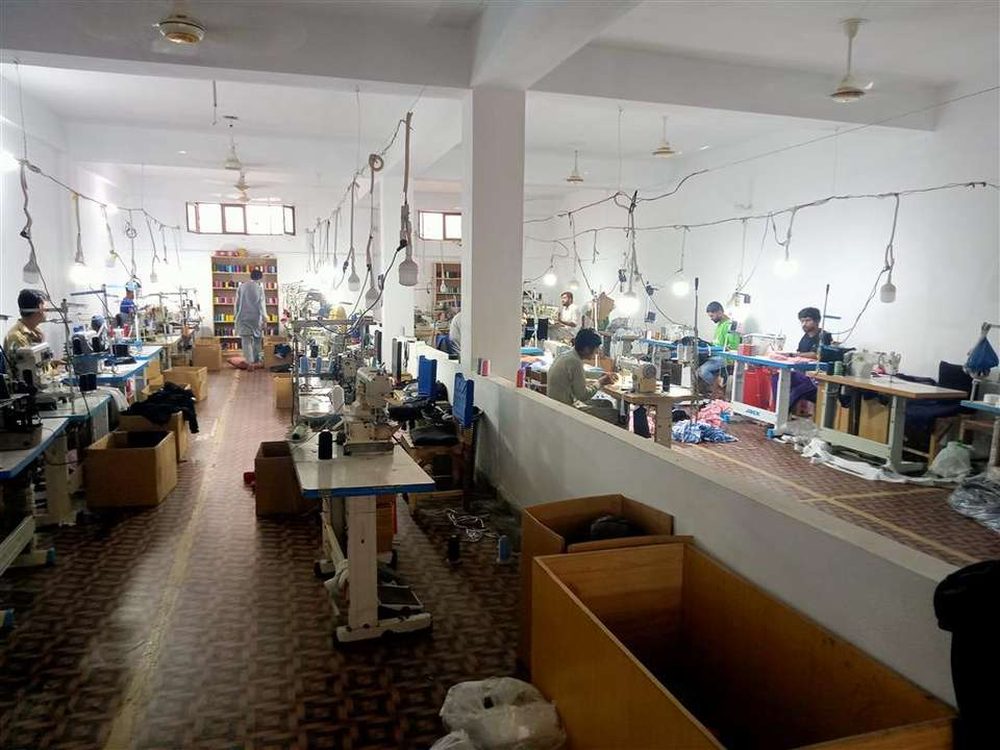
What is a compression shirt?
A compression shirt is a stretch top cut smaller than your body, so the fabric has to stretch to fit. That stretch creates gentle, even pressure over the chest, back and arms. You will see them as short-sleeve, long-sleeve and sleeveless tops, worn alone in the gym or as a base layer under team jerseys, rugby kits and hockey gear.
They are sometimes called rash guards (a loose cousin made for surfing and grappling), base layers or skins. The idea is the same: a second-skin fit that moves with you instead of flapping around.
What do compression shirts do?
- Support and less muscle movement. The snug fit cuts down the wobble of muscles during running, jumping and lifting, which many athletes find feels more stable.
- Less chafing. Nothing loose rubs against the skin, which helps in long sessions and under shoulder pads or protective gear.
- Sweat management. Because the fabric touches the skin, it pulls moisture away and spreads it out to dry fast.
- Temperature control. Thin versions keep you cooler in summer; brushed or thicker versions work as a warm base layer in winter.
- Freedom of movement. Four-way stretch means no tugging at the shoulders when you reach overhead.
Be careful with big claims. Research on compression and athletic performance is mixed: athletes often report less soreness and a feeling of support, but the gains in speed or strength are small or unclear. Medical compression garments are a separate product, graded in mmHg and made to a medical standard; everyday athletic compression shirts are not.
What are compression shirts made of?
Almost every compression shirt is a knit blend of a hard fibre and spandex:
- Polyester + spandex. The most common choice. Light, quick-drying, colourfast and the only blend that takes full sublimation printing.
- Nylon + spandex. Softer and smoother with a slight sheen, very strong and good against abrasion, but it costs more and does not sublimate well.
- Spandex share. Usually around 10–25%. More spandex gives firmer compression and better recovery; less gives a lighter, looser “fitted” feel.
- Weight. Summer compression tops are often around 150–200 GSM; winter or brushed-back base layers are heavier.
Spandex and elastane are the same fibre under different names (see elastane vs spandex), and our guide to polyester vs spandex explains what each fibre adds. Many compression tops also use power mesh panels under the arms or down the back for airflow.
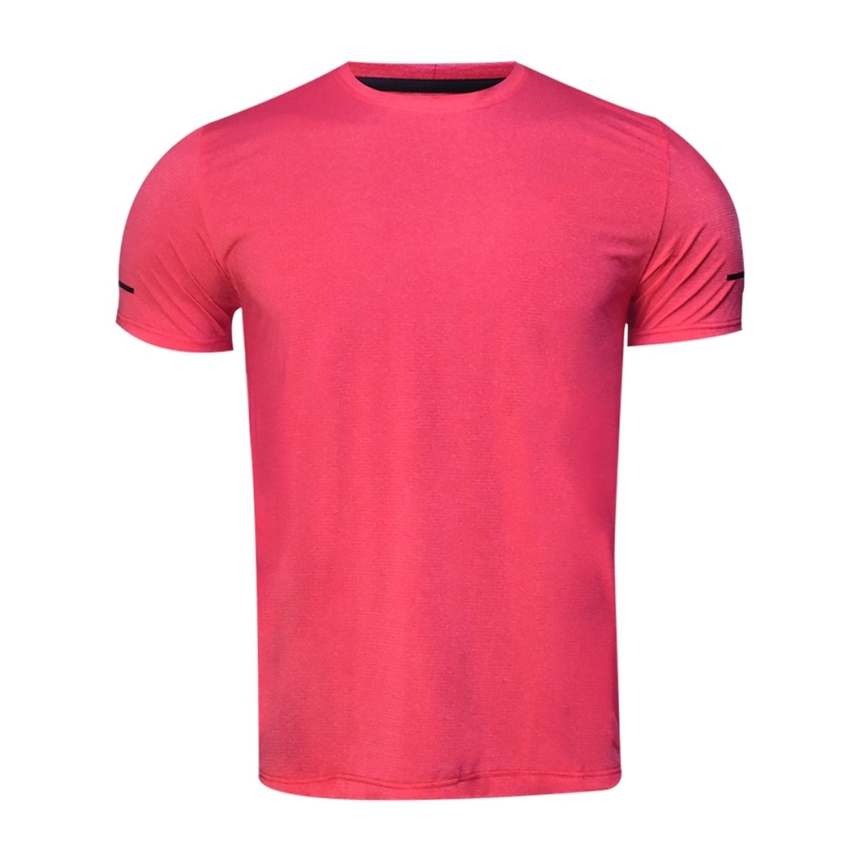
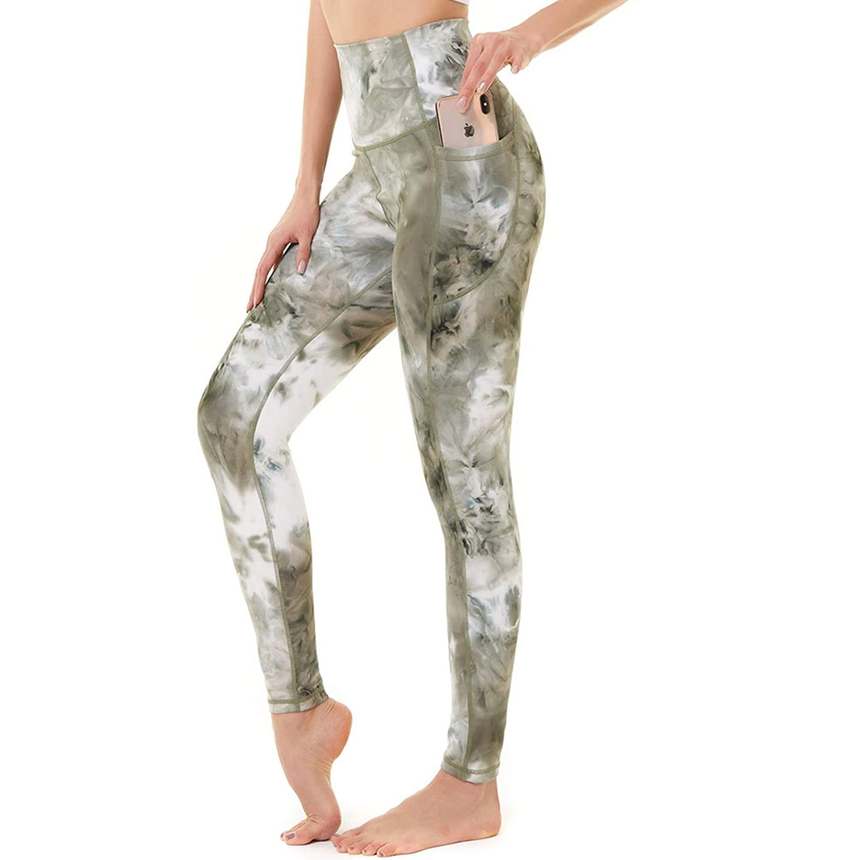
Compression shirt vs fitted tee vs base layer
| Compression shirt | Fitted performance tee | Thermal base layer | |
|---|---|---|---|
| Fit | Skin-tight, sized below body | Close but with some ease | Close to skin, light pressure |
| Typical fabric | Poly or nylon with 10–25% spandex | Polyester, sometimes 5–10% spandex | Brushed poly-spandex, merino or blends |
| Main job | Support, less chafing, wicking | Comfort and wicking | Warmth under other layers |
| Worn | Alone or under jerseys and pads | Alone | Under a jersey or jacket in the cold |
| Best for | Lifting, running, contact sports | General gym and team training | Winter sports and outdoor training |
How compression shirts are made
- Fabric choice. A four-way-stretch knit is picked for weight, spandex content and handfeel, then tested for stretch and recovery.
- Pattern. The pattern is graded smaller than a normal tee (negative ease), with shaped panels for the shoulders and back.
- Printing. For full designs, panels are sublimated before cutting so colour reaches every seam.
- Cutting. Panels are cut with the stretch running the right way, since a wrong grain makes the shirt twist.
- Sewing. Flatlock or cover stitch seams sit flat on the skin and stretch with the fabric; a standard lockstitch would snap.
- Finishing and QC. Logos, labels and tags go on; seams and sizes are checked before packing.
How should a compression shirt fit?
It should feel like a second skin: no loose fabric at the chest, waist or sleeves, and no riding up when you lift your arms. It should not restrict breathing, pinch at the armpits or leave deep marks. If you sit between sizes, take the larger one for training and the smaller one only if you want firmer compression. For brands, it is worth publishing a body-measurement size chart rather than a garment chart, because the garment is meant to be smaller than the body.
To keep the stretch, wash cold, skip fabric softener and line dry; heat breaks down spandex over time. Smooth fabrics also help with bobbling, as covered in why leggings pill.
What to check before ordering custom compression shirts
- Fabric composition and GSM. Ask for the exact blend (for example 80/20 polyester/spandex) and weight, and get fabric swatches if you can.
- A pre-production sample. Test the fit, stretch and seams on a real body before bulk. At KITFORGE, sampling typically takes 7–10 days.
- Minimum order. Ours is typically 10–30 pieces per style, so a gym, coach or new brand can start small. See our low MOQ guide.
- Size range. We cut sizes from 4XS to 5XL.
- Decoration that stretches. Sublimation, stretch screen printing, DTF or embroidery on less stretchy areas. Compare methods in DTF vs screen printing.
- Branding. OEM, ODM and private label are available, with your own woven labels and tags. A clear tech pack speeds things up.
- Payment and shipping. We work on a 50% deposit and 50% before dispatch by international bank transfer, ship by DHL, FedEx, UPS or sea freight, and offer DDP door-to-door delivery. Bulk lead time is confirmed with your quote.
Make your own compression shirts
See our custom gym t-shirts and custom leggings, or browse all custom fitness wear. Planning team base layers? See custom team uniforms. Send your design and we reply within 24 hours.
Frequently asked questions
What are compression shirts?
Compression shirts are skin-tight athletic tops made from a stretchy polyester or nylon and spandex knit. They hug the torso and arms with light, even pressure to support muscles, cut down movement and chafing, and pull sweat away from the skin.
What material are compression shirts made of?
Most are a blend of polyester or nylon with roughly 10-25% spandex (elastane). Polyester or nylon gives strength and quick drying; spandex gives the stretch and recovery that create the compression.
Should a compression shirt be tight?
Yes, it should feel snug like a second skin, but it should never restrict breathing, dig in at the seams or leave deep marks. If it is hard to breathe or move your shoulders, size up.
Can compression shirts be custom printed?
Yes. Light polyester-spandex compression fabric can be fully sublimated, and logos can be added with stretch screen printing, DTF or heat transfers that move with the fabric. Ask for a sample to check the print after stretching.
Launching an activewear label? Read our guide to working with a private label activewear manufacturer.