Elastane and spandex: one fibre, two names
The fibre was developed at DuPont in the late 1950s and launched as a replacement for rubber in stretch clothing. In North America the generic name became spandex, an anagram of “expands”. In Europe the generic name became elastane, which comes from “elastic”. Both names describe exactly the same thing.
That is why the same pair of leggings can say “80% nylon, 20% spandex” on a US label and “80% polyamide, 20% elastane” on a UK or EU label. Nothing about the fabric has changed, only the naming rules of the market it is sold in.
| Spandex | Elastane | Lycra | |
|---|---|---|---|
| What it is | Generic fibre name | Generic fibre name | Brand (trademark) name |
| Where you see it | USA, Canada | UK, EU, Australia, most of Asia | Worldwide, on branded fabric |
| Chemistry | Polyurethane-based elastic fibre | Polyurethane-based elastic fibre | Polyurethane-based elastic fibre |
| Performance | Same type of fibre; quality depends on the yarn maker, the blend and the knit | ||
Where Lycra fits in
Lycra is a trademark for spandex fibre, first used by DuPont and now owned by The LYCRA Company. Think of it like a well-known brand name standing in for a whole product category. All Lycra is spandex, but plenty of good spandex is made by other fibre producers. When a factory quotes “Lycra” specifically, ask whether they mean the branded yarn (which usually costs more) or simply any spandex.
What the fibre is and why it stretches
Spandex is a synthetic polymer made mostly of segmented polyurethane. Its long molecules have soft, flexible sections that uncoil when pulled and rigid sections that hold them together and pull them back. The result is a fibre that can stretch to several times its length and recover its shape again and again.
It is almost never used alone. A small amount is blended with a “hard” fibre such as nylon, polyester or cotton, which gives the fabric its strength, feel and colour, while the spandex adds stretch and snap-back.
How much elastane different garments use
The percentage of elastane is the number that really matters when you compare fabrics. These are typical ranges in the industry:
| Garment | Typical elastane / spandex | Usual partner fibre |
|---|---|---|
| Stretch jeans, chinos | 1–3% | Cotton |
| T-shirts, polos, casual tops | 3–8% | Cotton or polyester |
| Gym tees and compression tops | 8–20% | Polyester or nylon |
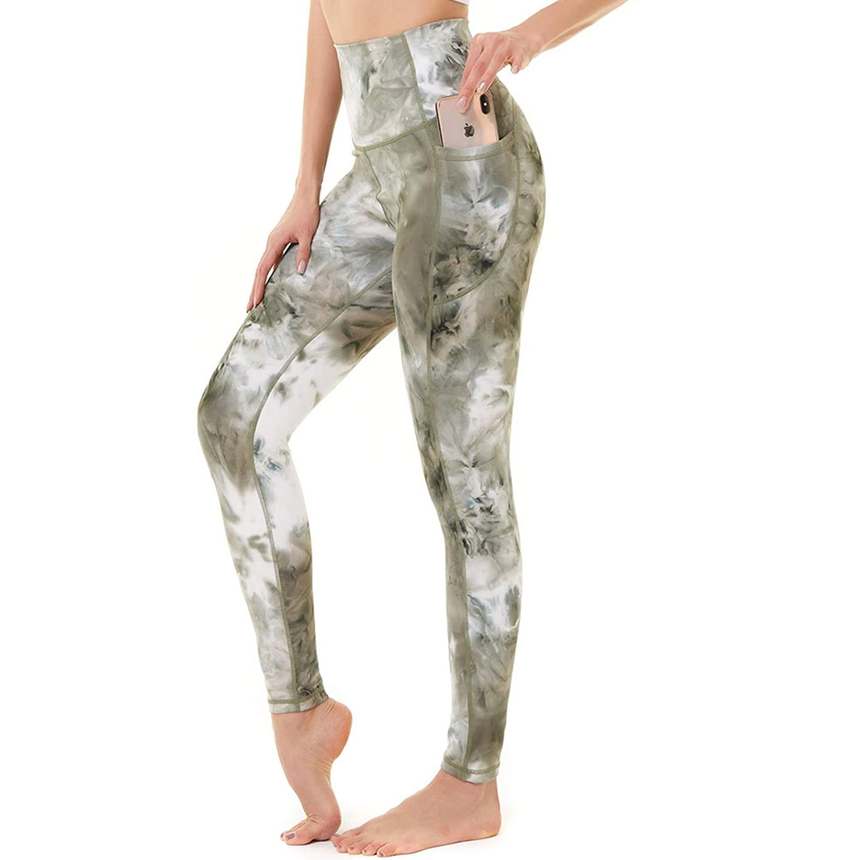
| Leggings and yoga pants | 15–25% | Nylon or polyester |
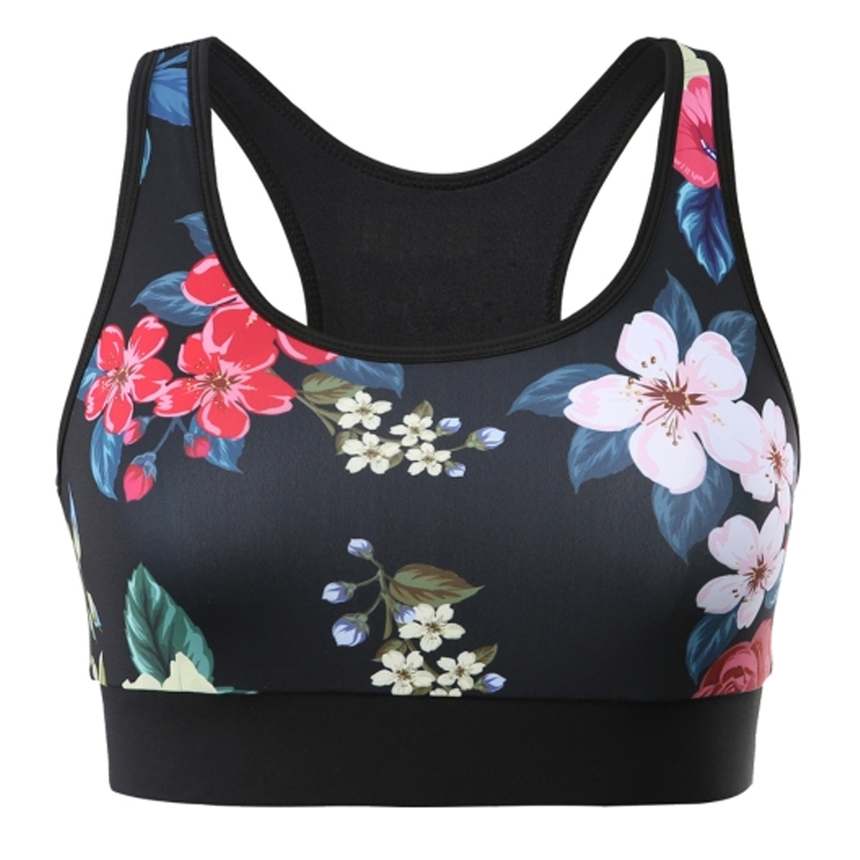
| Sports bras | 15–25% | Nylon or polyester |
| Swimwear | 15–20% | Nylon or polyester |
More elastane is not always better. Above roughly 25% fabric can feel rubbery and run hot, and it costs more. Below about 10% a legging will bag at the knees. For activewear the sweet spot is usually the high teens to low twenties, combined with a heavier knit so the fabric stays opaque when stretched.
Reading labels and choosing fabric for your brand
If you sell in more than one market, your care labels need the right word for each. US labelling uses “spandex”; EU textile rules use “elastane”. Many brands print both, for example “20% elastane (spandex)”. Check the current rules for each country you ship to.
When you brief a manufacturer, give more than the percentage:
- Blend: e.g. 78% polyester / 22% elastane.
- Weight: GSM (grams per square metre). Heavier knits are more squat-proof.
- Stretch: two-way or four-way stretch.
- Finish: moisture-wicking, brushed, matte or shiny.
Put all of this in your tech pack, then confirm it on a physical sample before bulk. At KITFORGE we make a pre-production sample first, which typically takes 7–10 days.
How to make spandex and elastane last
- Wash cold, inside out, on a gentle cycle.
- Skip fabric softener: it coats the fibres and blocks moisture-wicking.
- Avoid bleach and rinse off pool chlorine soon after swimming.
- Air dry or tumble dry on low. High heat is the main reason stretch garments lose their snap-back.
- Never iron directly on stretch fabric.
Make stretch activewear under your own label
We make custom leggings, sports bras and yoga sets in polyester- and nylon-elastane blends, with MOQ typically 10–30 pieces per style. Browse our fitness wear range and we reply within 24 hours with pricing.
Frequently asked questions
Is elastane the same as spandex?
Yes. Elastane and spandex are two names for the same synthetic stretch fibre. Spandex is the name used in the United States and Canada; elastane is the name used in Europe and most other countries. Fabric labelled either way performs the same.
Is Lycra the same as spandex?
Lycra is a brand name for spandex (elastane) fibre, in the same way that a brand name can stand for a whole product type. All Lycra is spandex, but not all spandex is Lycra.
How much elastane should leggings have?
Most performance leggings use about 15–25% elastane blended with nylon or polyester. That range gives four-way stretch and good recovery without the fabric feeling thin or see-through.
Does elastane shrink or lose its stretch?
Elastane itself does not shrink much, but high heat, chlorine and fabric softener break the fibres down over time, so the garment loses its snap-back. Wash cold, skip softener and air dry to keep the stretch.
Deciding on the base fabric? Read polyester vs spandex: which fabric is better for activewear?
Launching an activewear brand? Read our guide to working with a private label activewear manufacturer and how to order small batches with a low MOQ.