What mesh fabric is
Mesh is not a fibre. It is a way of knitting (or sometimes weaving) yarn so that the fabric has regular open spaces. The size, shape and spacing of those holes decide how the fabric feels and performs. Bigger holes move more air but are heavier and less smooth; smaller holes give a flatter face that prints better and feels closer to a normal jersey knit.
In sportswear almost all mesh is knitted from polyester, because polyester dries quickly, keeps its shape when wet and works with sublimation printing. Nylon mesh is common where softness and stretch matter, such as sports bra linings and leggings panels.
The main types of mesh fabric
- Bird's eye mesh (eyelet mesh). Small, regular holes that look like tiny eyes. Light, breathable and soft. A classic choice for soccer and training jerseys, and for linings.
- Pinhole mesh (micro mesh). Very fine holes and a smooth surface. It looks almost like a solid knit from a distance, so it gives sharp sublimation prints. Used for jerseys, gym tees and running tops.
- Flatback mesh. Textured mesh on the outside with a flat, smooth back against the skin. Durable and comfortable, widely used for basketball, hockey and other team jerseys.
- Pro mesh (large-hole or football mesh). Big, open holes and a heavier, stronger knit. Maximum airflow for practice jerseys, pinnies, football jerseys and layering pieces.
- Power mesh. A fine, sheer, very stretchy mesh, usually nylon or polyester with spandex. Used for sports bra panels, leggings inserts and compression garments where you want support and ventilation together.
- Spacer mesh (air mesh or 3D mesh). Two knitted faces joined by a layer of yarn in between, giving a thick, cushioned fabric that still breathes. Used for padding, protective gear linings, bags and shoe uppers.
- Textured meshes (diamond, brick, honeycomb). The holes form a pattern. These add visual texture and are common on hockey, baseball and lacrosse jerseys.
- Tricot mesh. A soft, smooth warp-knit mesh, mostly used as the inner lining of shorts and jackets.
Mesh types compared
| Mesh type | Breathability | Stretch | Print quality | Typical use |
|---|---|---|---|---|
| Bird's eye | High | Low to medium | Good | Soccer jerseys, training tops, linings |
| Pinhole / micro | Medium to high | Low to medium | Excellent | Game jerseys, gym and running tees |
| Flatback | Medium to high | Low | Very good | Basketball, hockey, team jerseys |
| Pro / large-hole | Very high | Low | Fair | Football, practice jerseys, pinnies |
| Power mesh | High | Very high | Good (if polyester) | Sports bras, leggings panels, compression |
| Spacer / air mesh | Medium | Low | Fair | Padding, protective linings, bags |
| Diamond / brick | Medium to high | Low | Good | Hockey, baseball, lacrosse jerseys |
Breathability also depends on fabric weight (GSM). A heavy mesh with big holes can feel warmer than a light pinhole mesh, so always compare weights, not only hole size.
Which mesh to use for each sport
- Soccer: bird's eye or pinhole mesh for the body, sometimes with more open mesh panels under the arms and down the sides. See our custom soccer uniforms.
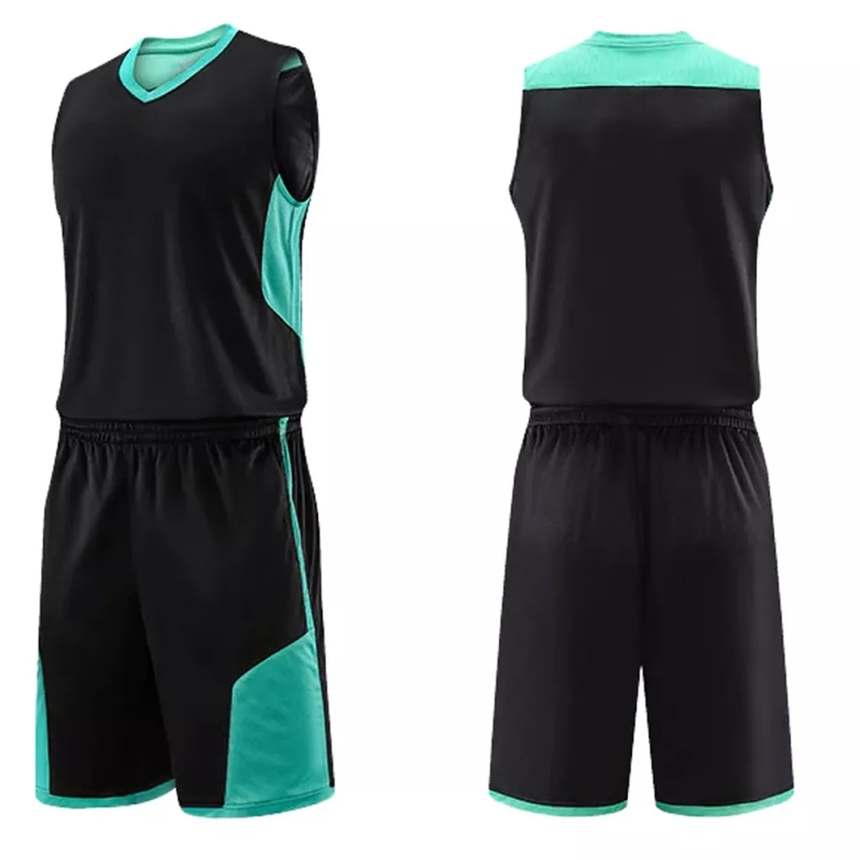
- Basketball: flatback or pinhole mesh. Reversible jerseys use two light layers. Our basketball uniform design guide covers fabric, cut and numbers, and our custom basketball uniforms page shows the styles.
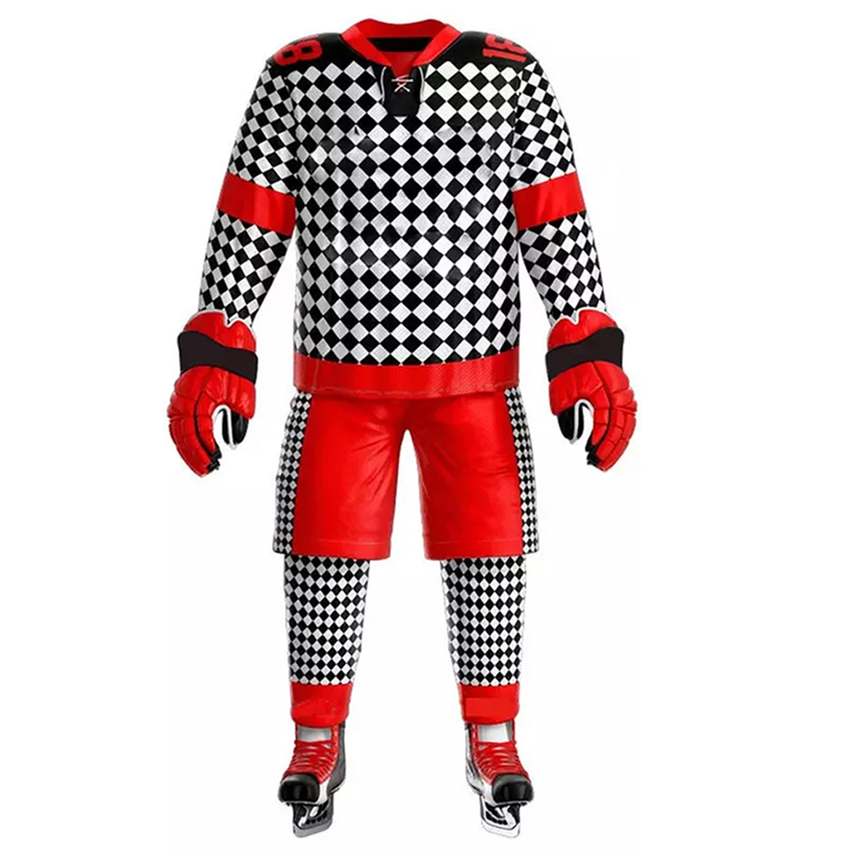
- Ice hockey and lacrosse: heavier, durable meshes (flatback, diamond, brick) that survive contact and pads. See custom ice hockey jerseys and lacrosse uniforms.
- Rugby: a tough stretch knit, often a 4-way stretch mesh for a close fit that is hard to grab. See custom rugby uniforms.
- Gym and running: pinhole mesh tees, with power mesh panels on leggings and sports bras. See custom gym t-shirts.
Fibres: polyester, nylon and blends
Polyester mesh is the standard for team uniforms. It wicks sweat, dries fast, resists shrinking and is the only common fibre that takes sublimation dye properly. If you want full-colour designs printed into the fabric, read what sublimated uniforms are.
Nylon mesh feels softer and is very strong, but it does not sublimate well, so it is usually dyed solid colours. Spandex blends (also called elastane) add stretch for power mesh and compression pieces; our guide to polyester vs spandex explains how the two work together. Cotton mesh exists for casual polo shirts and lifestyle wear, but it holds sweat, so it is rarely used for performance kits.
What to specify when ordering mesh sportswear
- Mesh type and weight: name the mesh (for example, flatback) and the GSM you want, or ask the factory for swatches.
- Where mesh goes: full body, or only side, underarm and back panels. Mixing a solid knit body with mesh panels is common.
- Decoration: sublimation, screen or DTF printing, or embroidery. Large-hole mesh is not ideal for fine prints or small embroidery.
- Linings: whether shorts or jackets need a tricot or bird's eye mesh lining.
- Put it in writing: add fabric, GSM and panel layout to your tech pack so the sample and bulk match.
At KITFORGE we make team uniforms and activewear in a range of polyester meshes. Our catalogue includes options such as flatback mesh, bird's eye style meshes, diamond and brick mesh, and 4-way stretch mesh. We work under OEM, ODM or private label, with sublimation, cut & sew, embroidery and screen or DTF printing, in sizes 4XS–5XL. You get a pre-production sample before bulk, typically in 7–10 days, so you can feel the mesh and check the print yourself. Minimum order is typically 10–30 pieces per style.
Get jerseys made in the right mesh
Browse our sports uniforms range. Tell us the sport, fabric and quantity, and we reply within 24 hours with pricing and sampling details.
Frequently asked questions
What is the most breathable mesh fabric?
Open mesh with larger holes, such as pro or football mesh, lets the most air through. For game jerseys most teams choose bird's eye or pinhole mesh instead, because they are still very breathable but lighter, smoother and better for printing.
Is mesh fabric polyester?
Most sportswear mesh is polyester, because polyester dries fast, holds its shape and can be sublimation printed. Power mesh is usually nylon with spandex, and some casual mesh is made from cotton or cotton blends.
What mesh is used for basketball jerseys?
Basketball jerseys are usually made from a lightweight polyester mesh, such as pinhole, bird's eye or flatback mesh. Flatback mesh has a smooth inner face, so it feels comfortable on the skin and holds up well to hard play.
Can you sublimate on mesh fabric?
Yes, if the mesh is polyester. Sublimation dye bonds with polyester fibres, so colours stay bright and do not crack. Very open mesh shows less print because part of the area is holes, so small-hole meshes give the sharpest designs.
Ordering for a small club or new brand? Read our guide to low MOQ clothing manufacturing.