The short answer
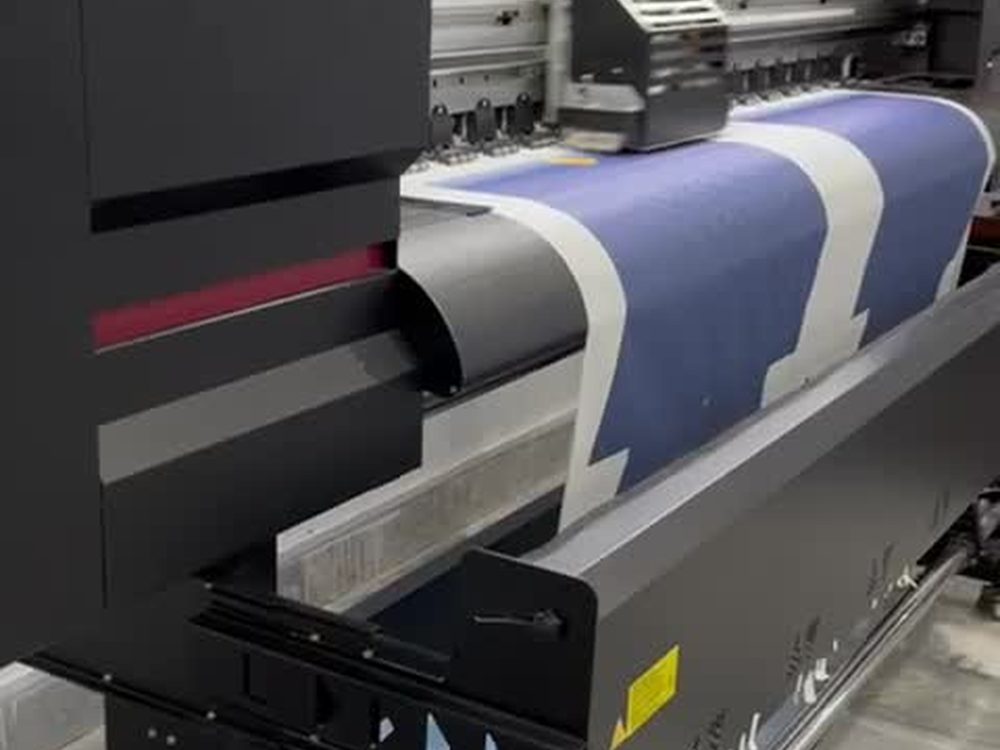
The real decider is fabric. Sublimation only works on white or light-coloured polyester, but there it gives unlimited colours, all-over designs and a print you cannot feel. Screen printing works on cotton, blends and dark garments, and it is the cheapest way to put a simple logo on a big run of shirts.
So a fully designed football or cycling kit is almost always sublimated, while a cotton merch tee or a printed hoodie is almost always screen printed. Many team orders use both: sublimated match jerseys, plus screen printed cotton tees and hoodies for fans and travel.
What is sublimation printing?
Dye-sublimation prints your design onto transfer paper with special dye inks. The paper is then pressed onto polyester fabric with heat and pressure. The heat turns the dye into a gas, which enters the polyester fibres and turns solid again as it cools. The colour becomes part of the fabric rather than a layer on top.
- Look and feel: zero texture. You can run your hand over the print and feel only the fabric, which stays fully breathable.
- Design freedom: gradients, photos, patterns and edge-to-edge designs cost the same as a single colour, because the whole panel is printed at once.
- Limits: it needs a high polyester content and a white or light base. On cotton the dye washes out, and on dark fabric it barely shows.
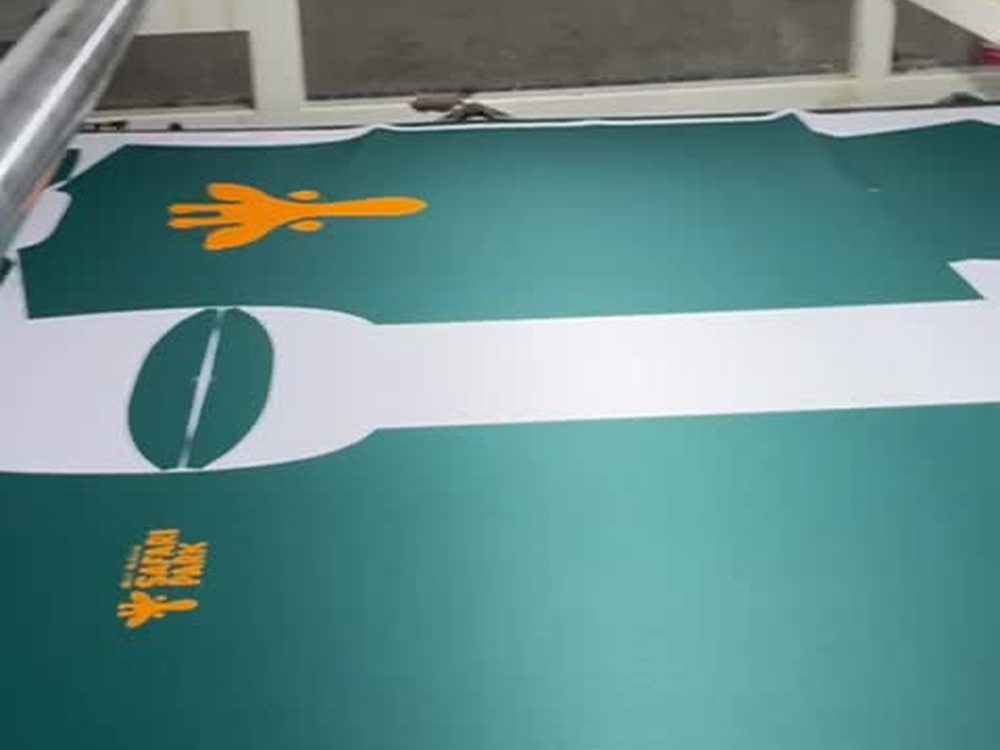
For full team kits, the fabric is usually printed in panels before the garment is cut and sewn, so there are no white gaps at the seams. We explain the full process in our guide to sublimated uniforms.
What is screen printing?
Screen printing pushes ink through a fine mesh screen onto the finished garment, one colour at a time. Each colour has its own screen, and the ink is heat-cured so it bonds to the fabric. Plastisol ink sits on the surface and gives bright, opaque colour; water-based ink soaks into cotton for a softer feel.
- Look and feel: bold, solid colour with a slight layer of ink on top of the fabric.
- Fabric freedom: works on cotton, polyester, blends and dark colours, using a white underbase where needed.
- Limits: every extra colour adds a screen and setup cost, photo-style artwork is hard to reproduce, and large ink areas feel heavy on light performance fabric. For short runs of full-colour art, see DTF vs screen printing.
Sublimation vs screen printing side by side
| Sublimation | Screen printing | |
|---|---|---|
| How it works | Dye turned to gas and bonded into polyester fibres | Ink pushed through a mesh screen onto the surface |
| Fabric | Polyester or high-poly blends only | Cotton, polyester, blends |
| Garment colour | White or light base | Any colour, including black |
| Colours in design | Unlimited, same cost | Each colour adds a screen |
| Print area | Anywhere, including all-over and seam to seam | Set print areas (front, back, sleeves) |
| Feel | None; fabric stays breathable | Slight ink layer; heavy on big prints |
| Durability | Will not crack or peel | Long lasting if cured well; can crack with age |
| Weak spot | Colours can fade with long, strong sun exposure; no cotton | Gradients and photos; many-colour designs |
| Best for | Team jerseys, cycling kits, performance tops | Cotton tees, hoodies, merch, workwear |
Cost and order size
Screen printing has a fixed setup cost for each screen. The screens cost the same for 30 shirts or 300, so the price per piece drops as quantity rises. A one or two colour logo on a big run is very cheap; a six-colour design on a small run is not.
Sublimation has almost no per-colour setup. The cost is mainly fabric, printing and sewing, and it barely changes with how complex your design is. That makes it good value for small team orders with detailed, personalised designs, such as individual names and numbers on every shirt.
Which method works best for each garment?
| Garment | Usual choice | Why |
|---|---|---|
| Soccer and basketball jerseys | Sublimation | Polyester mesh; full designs, names and numbers |
| Cycling jerseys | Sublimation | Sponsor logos all over, light and breathable |
| Gym tops and leggings | Sublimation for patterns; screen print for small logos | Poly-spandex fabric; keep big ink areas off stretch zones |
| Cotton t-shirts | Screen printing | Sublimation does not hold on cotton |
| Hoodies and sweatshirts | Screen printing (or embroidery) | Usually cotton-rich fleece, often in dark colours |
| Dark polyester garments | Screen printing | Sublimation dye cannot print lighter than the base |
How to choose for your order
- Check the fabric first: cotton or a dark garment means screen printing. Light polyester opens up sublimation. Our guide to polyester vs spandex explains the common performance blends.
- Look at the artwork: gradients, photos or more than four colours lean to sublimation (or DTF on cotton). One to three flat colours suit screen printing.
- Think about where it goes: designs that run over seams and sleeves need sublimation.
- Consider the wearer: athletes need a light, breathable print; casual merch can carry a thicker ink.
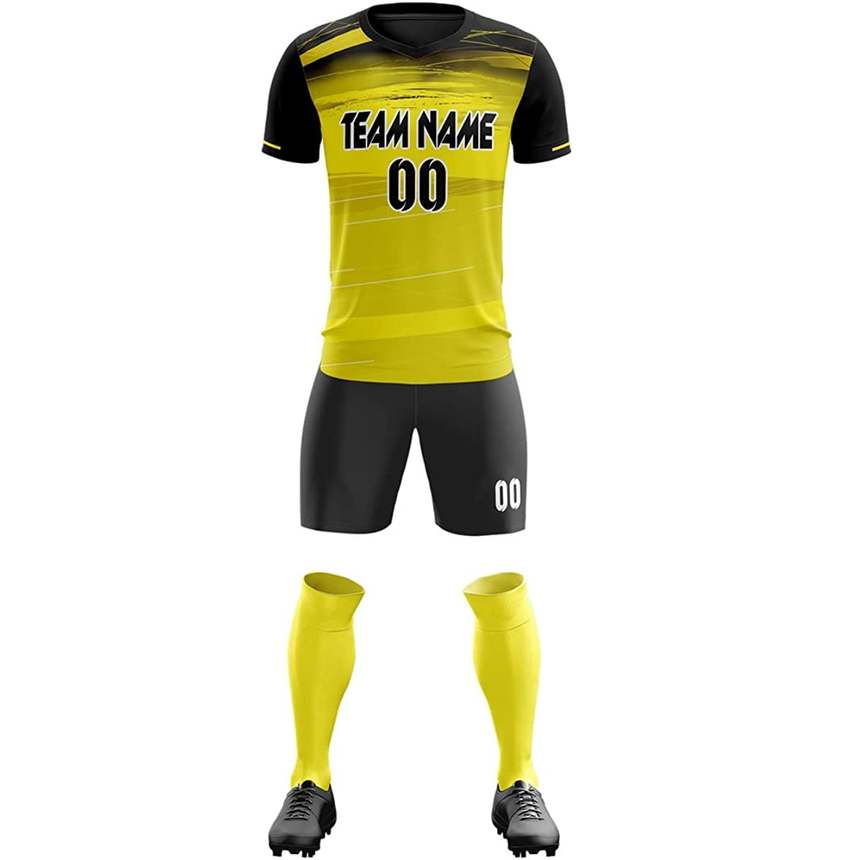
- Personalisation: individual names and numbers are simple with sublimation because each panel is printed separately.
Put the method, Pantone colours, print size and placement into your tech pack so every factory quotes the same thing.
Sublimation and screen printing at KITFORGE
We offer dye-sublimation, screen printing, DTF printing and embroidery, together with cut & sew production in Sialkot, so we can recommend the right method for your fabric, design and quantity. Our minimum order is typically 10–30 pieces per style, sizes run from 4XS to 5XL, and every order starts with a pre-production sample (usually 7–10 days) so you can approve the print before bulk. Bulk lead time is confirmed with your quote. We work OEM, ODM and private label, and ship by DHL, FedEx, UPS or sea freight, with DDP door-to-door delivery available.
Not sure which print method fits your design?
Browse our custom team uniforms and custom streetwear, or the full catalogue of 260+ products. Send your artwork and quantity and we reply within 24 hours with the best option and pricing.
Frequently asked questions
Can you sublimate on cotton?
Not well. Sublimation dye bonds with polyester fibres, so on 100% cotton most of the colour washes out. You need at least a high polyester content, and the best results come from 100% polyester. For cotton garments, use screen printing, DTF or embroidery.
Which lasts longer, sublimation or screen printing?
Sublimation usually lasts longer because the dye is inside the fibres, so it cannot crack, peel or wash off. A well-cured screen print also lasts for many washes, but thick ink can crack over time, especially on stretchy fabric.
Is sublimation cheaper than screen printing?
It depends on the design and quantity. For complex, many-colour or personalised designs on polyester, sublimation is usually better value. For a simple one or two colour logo on a large run, screen printing is usually cheaper per piece because the screen setup is spread over more garments.
Can you sublimate on black shirts?
No. Sublimation dye is transparent and cannot print a lighter colour than the fabric, so it needs a white or light base. Dark designs are printed onto white polyester instead, or a dark garment is screen printed with a white underbase.
Choosing between other methods? Read embroidery vs screen printing, or check jersey fabrics in our guide to types of mesh fabric.