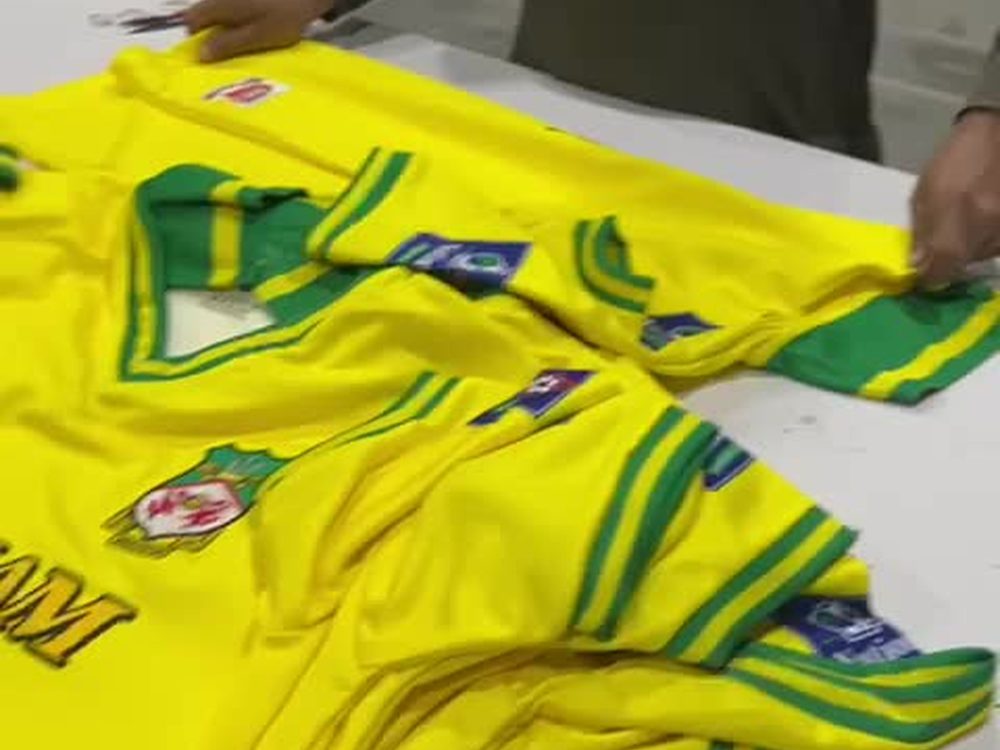
The short answer
Embroidery stitches your logo into the fabric with thread. Screen printing pushes ink through a mesh stencil onto the surface. Embroidery looks more premium and handles rough wear, but it suits small, simple logos and sturdy fabrics. Screen printing handles big artwork and fine detail at a lower cost per piece once you order more than a handful of garments.
Many brands use both on one product: an embroidered chest logo for a premium touch, and a screen printed graphic on the back for impact.
What is embroidery?
Embroidery uses a computer-controlled machine to sew a design into the garment with polyester or rayon thread. Before stitching starts, the artwork is digitised: converted into a stitch file that tells the machine where each stitch goes, which direction it runs and which thread colour to use. A stabiliser (backing) is placed behind the fabric so the design stays flat.
- Look and feel: textured, slightly raised and clearly premium. Popular for corporate polos, club crests and streetwear logos.
- Variations: 3D puff embroidery (stitched over foam for a raised logo), appliqué (fabric shapes stitched on) and chenille patches, the classic look on varsity jackets.
- Limits: very small text and fine gradients do not stitch cleanly, and large designs become heavy and stiff.
What is screen printing?
Screen printing pushes ink through a fine mesh screen onto the garment, one colour at a time. Each colour in your design needs its own screen, and the print is then heat-cured so the ink bonds with the fabric. Plastisol and water-based inks are the most common.
- Look and feel: bold, flat colour. Water-based ink sinks into cotton for a soft hand-feel; plastisol sits slightly on top and gives brighter colour on dark fabric.
- Variations: puff print, metallic and glow inks, and discharge printing on dark cotton.
- Limits: every extra colour adds a screen and setup cost, and photo-style artwork is better suited to DTF. See our comparison of DTF vs screen printing.
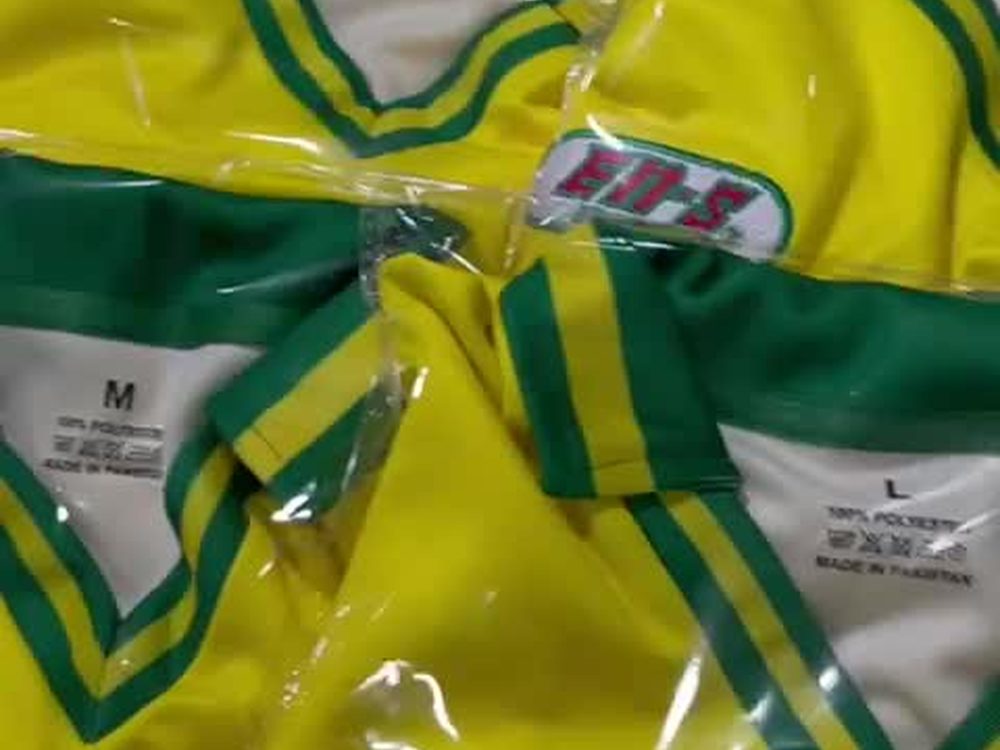
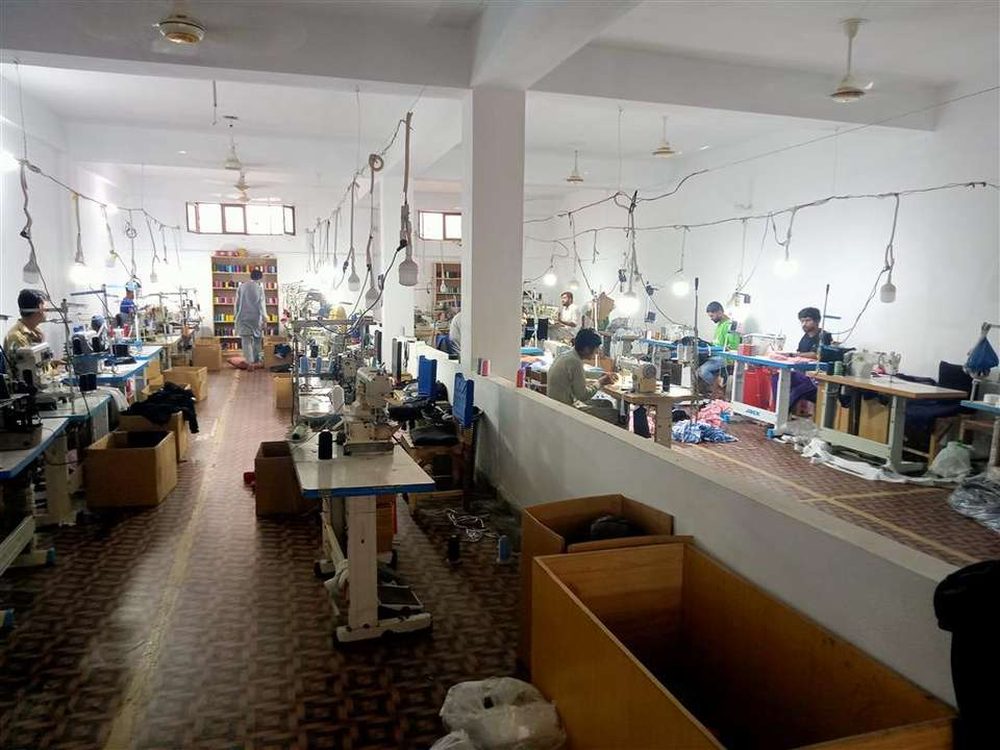
Embroidery vs screen printing side by side
| Embroidery | Screen printing | |
|---|---|---|
| How it works | Thread stitched into the fabric | Ink pushed through a mesh screen |
| Look | Raised, textured, premium | Flat, bold, smooth |
| Best design size | Small: chest logos, sleeves, caps | Small to very large: full fronts and backs |
| Detail | Simple shapes, text above a minimum size | Fine lines and small text |
| Colours | Several thread colours, little extra cost | Each colour adds a screen |
| One-off setup | Digitising the stitch file | One screen per colour |
| Price driver | Stitch count (logo size and density) | Number of colours and quantity |
| Durability | Excellent; does not crack or fade | Very good if cured well; heavy ink can crack |
| Best fabrics | Pique, fleece, twill, heavy cotton | Cotton, cotton blends, fleece |
| Weak spot | Thin, stretchy fabric can pucker | Large prints feel heavy on performance wear |
How each method is priced
Embroidery is priced mainly by stitch count. A small left-chest logo might be a few thousand stitches; a full-back design can run to tens of thousands, which costs more and makes the garment heavier. Digitising is a one-time setup per logo, so reorders of the same logo do not pay it again.
Screen printing is priced by the number of colours and the quantity. Screens cost the same whether you print 30 shirts or 300, so the more pieces you print, the lower the cost per piece. A one or two colour design on a bigger run is where screen printing is hard to beat.
Which method works best for each garment?
| Garment | Usual choice | Why |
|---|---|---|
| Polo shirts | Embroidery | Pique fabric holds stitches well; looks professional |
| Hoodies and sweatshirts | Both | Embroidered chest logo, screen printed back graphic |
| T-shirts | Screen printing | Light fabric; print stays soft and breathable |
| Jackets and varsity jackets | Embroidery, patches | Heavy fabric; chenille and appliqué fit the style |
| Caps and bags | Embroidery | Durable on twill and canvas |
| Team jerseys (polyester) | Sublimation | Design dyed into the fabric; see sublimated uniforms |
| Leggings and stretch wear | Screen print or heat transfer | Embroidery can pucker on stretch fabric |
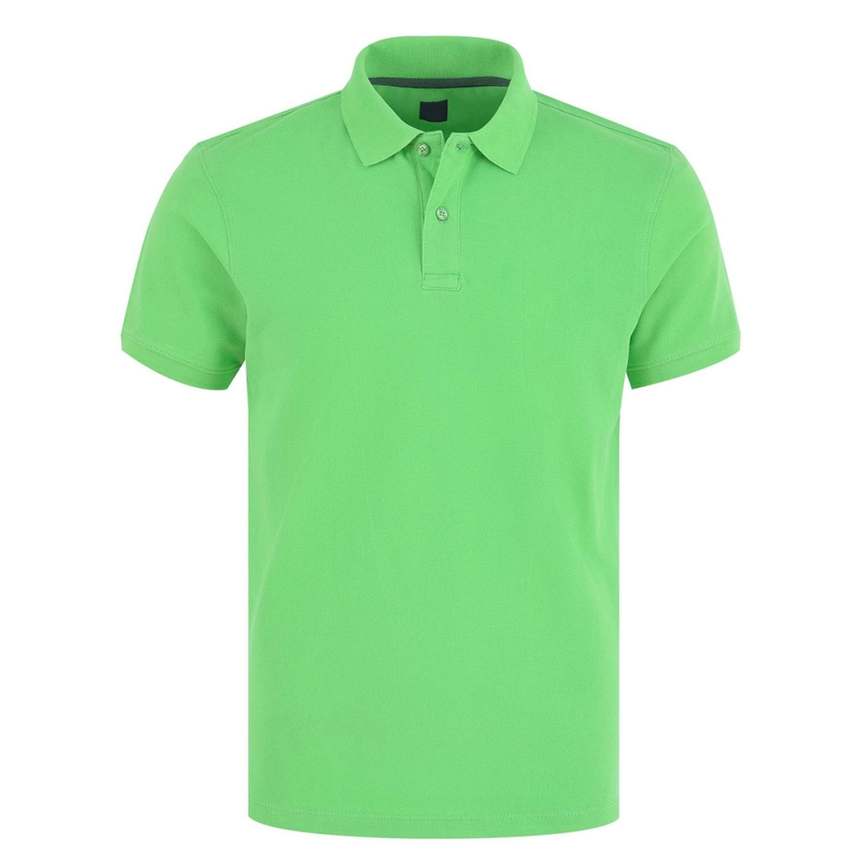
How to choose for your order
- Logo size: under about 10 cm and simple? Embroidery. A big front or back graphic? Screen printing.
- Fabric weight: heavier fabrics take embroidery better. Check the weight with our guide to GSM in fabric.
- Brand feel: premium, corporate or uniform look leans to embroidery; streetwear graphics and merch lean to screen printing.
- Quantity: on short runs, embroidery avoids per-colour screens; on bigger runs of one design, screen printing usually wins on price.
- Comfort: for gym and performance wear, avoid big embroidered areas that trap heat and rub.
Write the decoration method, size, thread or Pantone colours and placement into your tech pack, so the factory quotes and samples exactly what you want.
Embroidery and screen printing at KITFORGE
We offer embroidery, screen printing, DTF printing and sublimation in-house, so we can recommend the method that fits your logo, fabric and quantity. Our minimum order is typically 10–30 pieces per style, sizes run from 4XS to 5XL, and every order starts with a pre-production sample (usually 7–10 days) so you can check the stitching or print before bulk. Bulk lead time is confirmed with your quote. We work OEM, ODM and private label, and ship by DHL, FedEx, UPS or sea freight, with DDP door-to-door delivery available.
Not sure whether to embroider or print?
Browse our custom streetwear (hoodies, polos, tees, sweatshirts) or the full catalogue of 260+ products. Send your logo and quantity and we reply within 24 hours with the best decoration option and pricing.
Frequently asked questions
Is embroidery or screen printing more durable?
Both last a long time when done well. Embroidery is usually the most durable decoration because the thread is stitched into the fabric and does not crack or fade. A good screen print cured at the right temperature also lasts for many washes, but heavy ink can crack over time on stretchy fabric.
Is embroidery more expensive than screen printing?
Per piece, embroidery is usually more expensive for medium and large logos because price follows the stitch count. Screen printing gets cheaper per piece as quantity rises, because the screen setup cost is spread over more garments. For a small left-chest logo on a short run, the two can cost about the same.
Can you embroider on t-shirts and leggings?
You can, but it is not ideal. Embroidery is heavy and stiff, so on thin or stretchy fabric it can pucker and feel scratchy. Small logos with a backing work on t-shirts; for leggings and lightweight performance wear, screen printing, heat transfer or sublimation is usually the better choice.
Can I use embroidery and screen printing on the same garment?
Yes. Many brands embroider a small chest logo and screen print a large graphic on the back. Each method is quoted separately, and both appear on the pre-production sample so you can approve the combination before bulk.
Starting small? Read how to work with a low MOQ clothing manufacturer.