The short answer
Choose DTF when you need a small quantity, many colours, gradients or photo-style artwork, or different designs across one order. Choose screen printing when you are printing the same simple design (one to a few solid colours) on a larger run and want the softest, longest-lasting print.
Many brands use both: DTF for samples, test drops and detailed graphics, and screen printing once a design proves it sells and moves to bigger reorders.
What is DTF printing?
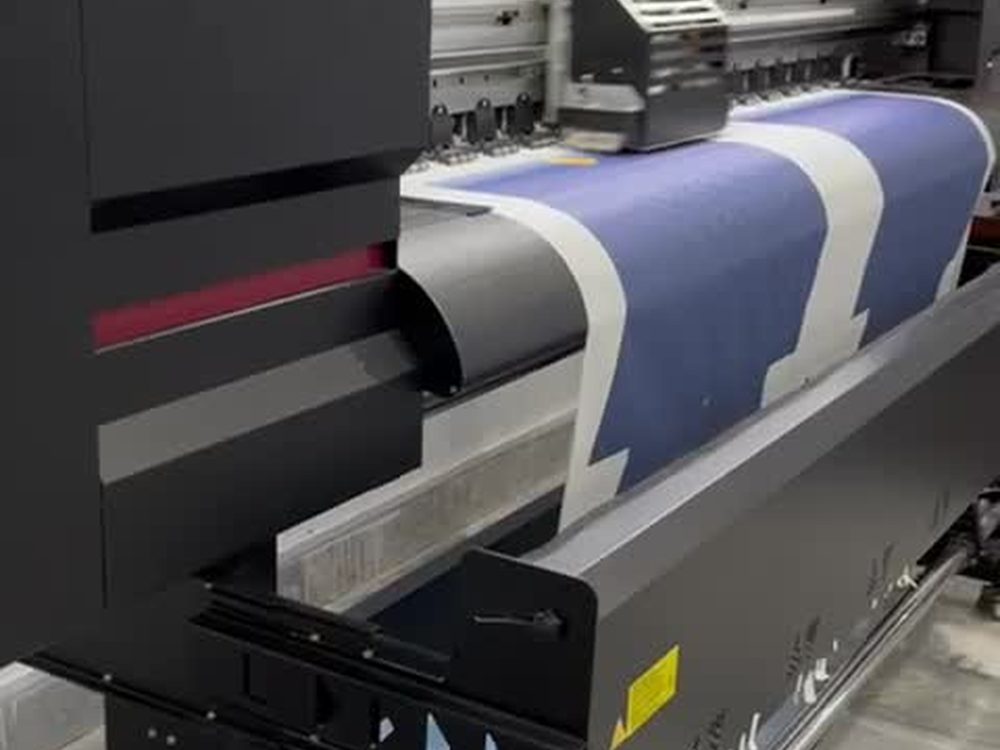
DTF (direct-to-film) prints your design onto a clear PET film rather than onto the garment. The process looks like this:
- Print on film. A DTF printer lays down the colours (CMYK) and then a layer of white ink behind them, so the design shows up on dark fabric.
- Add adhesive powder. While the ink is wet, a hot-melt powder is applied and sticks to the printed areas.
- Cure. The film is heated so the powder melts into a flexible glue layer.
- Press. The film is heat-pressed onto the garment, then peeled away, leaving the print bonded to the fabric.
Because there are no screens, every colour costs the same and full-colour artwork is easy. DTF also works on cotton, polyester and blends, light or dark. The trade-off is that the print sits on top of the fabric as a thin layer, so large solid areas can feel slightly rubbery and breathe less.
What is screen printing?
Screen printing pushes ink through a fine mesh screen onto the fabric, one colour at a time. Each colour in the design needs its own screen, which is made once and then reused for every piece in the run.
- Setup is the main cost. Making and aligning screens takes time, so the price per piece drops as quantity grows.
- Ink soaks into the fabric. On cotton, especially with water-based or discharge inks, the print feels soft and part of the shirt.
- Special effects. Puff, high-density, metallic and glow inks are screen-printing techniques popular in streetwear.
- Limits. Gradients and photo detail are harder, and each extra colour adds a screen and cost.
Printing on hoodies? The fabric matters as much as the method: see the best fabric for hoodies.
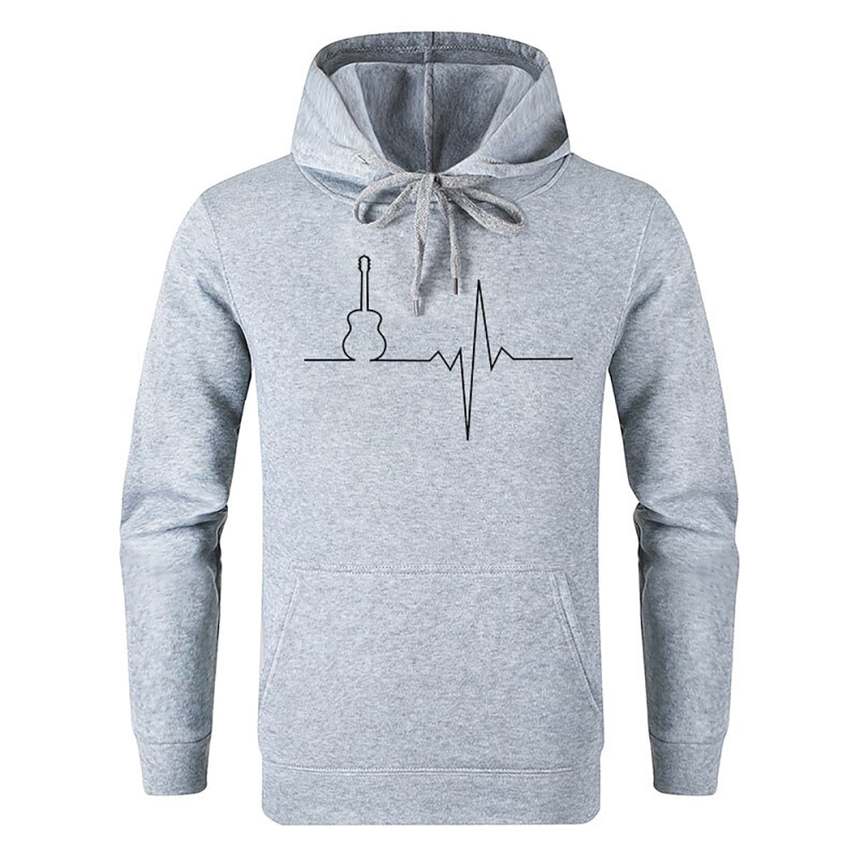
DTF vs screen printing side by side
| DTF | Screen printing | |
|---|---|---|
| How it works | Printed on film, heat-pressed onto the garment | Ink pushed through a mesh screen, one colour at a time |
| Setup | None beyond the artwork file | One screen per colour |
| Best order size | Samples and small runs | Larger runs of the same design |
| Colours and detail | Unlimited colours, gradients, photo detail | Best with a few solid spot colours |
| Feel | Thin layer on top; large areas feel heavier | Soft, especially water-based ink on cotton |
| Durability | Good wash life when pressed correctly | Very long-lasting; often outlives the garment |
| Fabrics | Cotton, polyester, blends, light or dark | Best on cotton; polyester needs special inks |
| Special effects | Limited | Puff, metallic, high-density, discharge |
Which one should you choose?
Run through these questions before you send artwork to a manufacturer:
- How many pieces per design? For a short first run of a new style, DTF avoids screen setup. As quantities per design grow, screen printing usually becomes cheaper per piece.
- How many colours? One to three solid colours favour screen printing. Gradients, photos or ten-colour artwork favour DTF.
- How big is the print? A small chest logo feels fine in either method. A full-back print feels lighter and breathes better as a screen print.
- Same design or many? Different names, sizes or designs in one order are simpler with DTF.
- What fabric? Polyester performance wear and blends take DTF easily; cotton streetwear is screen printing's home ground.
- Do you need an effect? Puff or metallic prints point to screen printing. Embroidery is another option for logos that need a premium, raised look; see our guide to embroidery vs screen printing.
A practical path for a new clothing brand: sample with the method you plan to use in bulk, so the feel and colour you approve is what customers receive. If you are still preparing artwork and specs, our guide on what a tech pack is shows how to note print method, size and placement so the factory gets it right first time.
Care tips for both
- Turn garments inside out and wash in cold water.
- Skip bleach and fabric softener.
- Tumble dry low or line dry; high heat is the main enemy of DTF transfers.
- Never iron directly on the print.
How we handle printing at KITFORGE
We offer screen printing, DTF printing, sublimation and embroidery under one roof, so we can recommend the method that fits your design and quantity rather than the only one we have. Our minimum order is typically 10–30 pieces per style, and every order starts with a pre-production sample (usually 7–10 days) so you can check the print before bulk. Bulk lead time is confirmed with your quote, and we ship door to door by DHL, FedEx, UPS or sea freight, with DDP available.
Not sure which print method fits your design?
Browse our custom streetwear (hoodies, tees, sweatshirts) or the full catalogue of 260+ products. Send your artwork and quantity and we reply within 24 hours with the best print option and pricing.
Frequently asked questions
Is DTF better than screen printing?
Neither is better in every case. DTF suits small runs, many colours and photo-style artwork. Screen printing suits larger runs of the same design with a few solid colours, and gives a softer, longer-lasting print on big areas.
Does DTF last as long as screen printing?
A well-applied DTF transfer holds up well to regular washing, but a good screen print on cotton usually lasts longer, especially on large prints that flex a lot. Washing inside out in cold water helps both.
Is DTF cheaper than screen printing?
For small quantities and multi-colour designs, usually yes, because there are no screens to make. For larger runs of a simple design, screen printing usually costs less per piece because the setup is spread over more garments.
Can DTF print on polyester and dark fabrics?
Yes. DTF prints a white underbase on the film, so it works on dark colours and on cotton, polyester and blends. Very heat-sensitive fabrics need a lower press temperature.
Launching your own line? Read our guide to working with a private label activewear manufacturer.