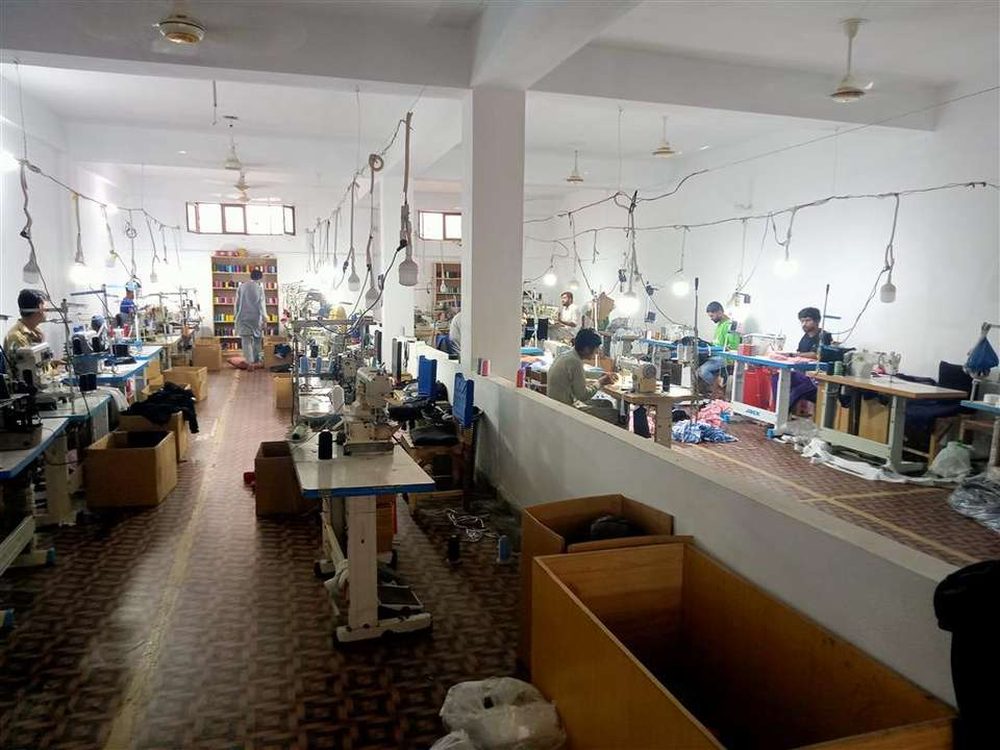
Why buyers source clothing from Pakistan
Textiles are Pakistan's largest export sector, and the country grows much of its own cotton. That means yarn, fabric, dyeing, printing and sewing are often available close together, which shortens the supply chain for knit garments.
- Raw material at home. Cotton and cotton-blend fabrics, fleece and jersey knits are produced locally.
- Specialist clusters. Whole cities focus on one kind of product, so skills, trims suppliers and print houses sit nearby.
- Export experience. Many factories work to buyers' own designs and labels (OEM and private label) rather than selling a fixed range.
- Trade access. Pakistan currently has GSP+ status with the EU, which lowers or removes import duty on many garments. Check the current rules for your product and destination before you order.
Main manufacturing cities and what they make
Matching your product to the right city saves time. A denim brand and a rugby club should not be talking to the same factories.
| City | Known for | Good fit for |
|---|---|---|
| Sialkot | Sports goods, sportswear, team uniforms, gloves, jackets, leather garments | Teams, activewear and streetwear brands, outerwear |
| Faisalabad | Cotton yarn and fabric, home textiles, knitwear | Basic tees, cotton fabric, large cotton runs |
| Lahore | Knitwear, garments, denim, fashion wear | Fashion and casual collections |
| Karachi | Denim, knitwear, large garment mills; main sea ports | High-volume basics and denim |
Big mills in Faisalabad or Karachi are often built for very large orders. If you are a brand or club ordering tens or hundreds of pieces, a smaller export manufacturer is usually a better match.
Why Sialkot for sportswear
Sialkot has made sports equipment and clothing for export for generations. Footballs, goalkeeper gloves and team kits from the city are used around the world, and the local business community even built its own international airport to move goods faster.
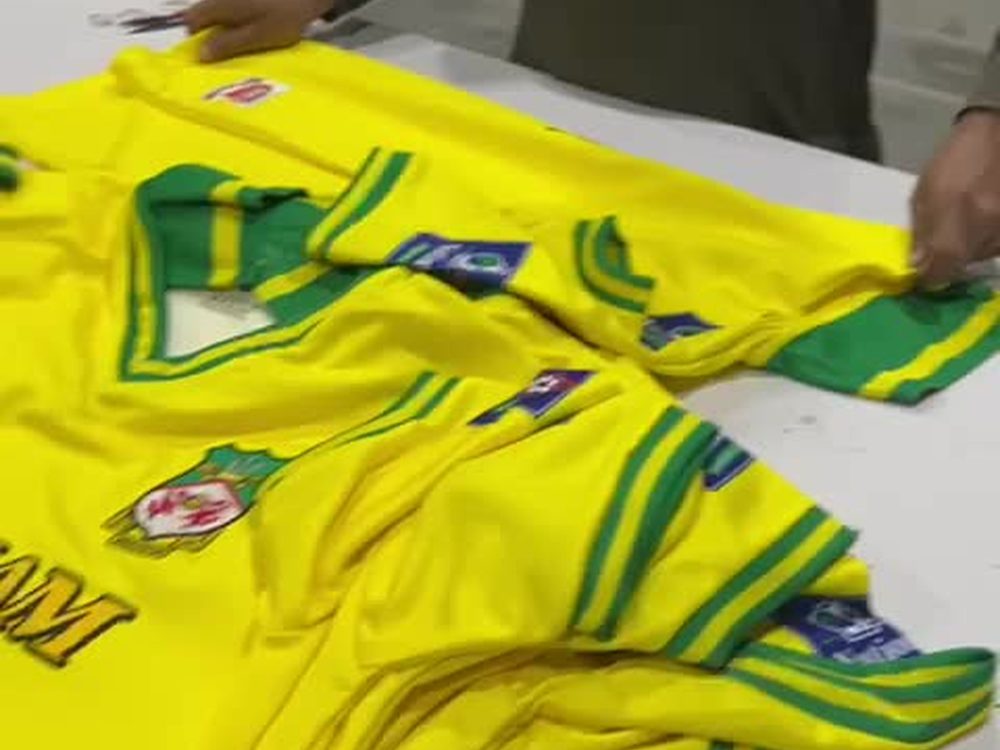
For a buyer, that history means a deep pool of skills in performance fabrics, sublimation printing, cut & sew, embroidery and leather work. At KITFORGE our production is in Sialkot, with our head office in Islamabad. We make soccer uniforms and full team uniforms, leggings and gym wear, hoodies, t-shirts, tracksuits and leather jackets, all to the buyer's design.
How to vet a clothing manufacturer in Pakistan
Whichever country you source from, the checks are the same. Use this list before you pay a deposit.
| Check | What to ask | Good sign |
|---|---|---|
| Product fit | Do you make this exact garment type? | Photos or samples of similar products |
| Sample | Will you make a pre-production sample? | A physical sample before bulk, at a clear cost |
| MOQ | What is the minimum per style and colour? | A number that matches your order size |
| Communication | How fast do you reply, and on which channel? | Clear answers within a day |
| Payment | What are the terms and method? | Written terms, paid to a business bank account |
| Shipping | Can you quote delivered to my door? | Courier, sea freight or DDP options |
How an export order works
- Brief and quote. Send your design, fabric idea, quantity and target date. We reply within 24 hours with price, MOQ and bulk lead time.
- Sample. We make a pre-production sample before bulk, typically in 7–10 days, so you can check fit, fabric and print.
- Deposit. Payment is a 50% deposit by international bank transfer to start bulk production.
- Production and QC. Garments are cut, sewn, decorated and checked against the approved sample.
- Balance and dispatch. The remaining 50% is paid before dispatch.
- Delivery. Orders ship by DHL, FedEx, UPS or sea freight, with DDP door-to-door available. Our guide to HS codes for clothing explains the import paperwork.
Our minimum is typically 10–30 pieces per style, with sizes from 4XS to 5XL. If you are just starting, read how to work with a low MOQ clothing manufacturer to keep your first order small and safe.
Get a quote from Sialkot
See our team uniforms, fitness wear, streetwear and custom jackets, or browse 260+ products in the catalogue. OEM, ODM and private label. We reply within 24 hours.
Frequently asked questions
Is Pakistan good for clothing manufacturing?
Yes, for many product types. Pakistan grows its own cotton, has a large textile industry and specialist clusters such as Sialkot for sportswear and Faisalabad for cotton fabric. It suits buyers who want knitwear, teamwear, activewear, fleece and leather garments made to their own design.
What is Sialkot known for?
Sialkot is known worldwide for sports goods and sportswear: team uniforms, footballs, gloves, activewear, jackets and leather garments. Many of its factories are export-focused and used to working from a buyer's own designs.
What is the minimum order for clothing made in Pakistan?
It varies by factory. Large mills may ask for hundreds or thousands of pieces per style, while smaller export manufacturers take short runs. At KITFORGE the minimum is typically 10–30 pieces per style.
How do I pay a clothing manufacturer in Pakistan?
Most export orders are paid by international bank transfer. At KITFORGE payment is a 50% deposit to start production and the remaining 50% before dispatch.
How are orders shipped from Pakistan?
Smaller orders usually go by express courier such as DHL, FedEx or UPS, and larger orders by sea freight. KITFORGE also offers DDP door-to-door delivery, where duties and customs are arranged before the goods reach you.
Launching your own label? Read our guide to private label activewear manufacturing.